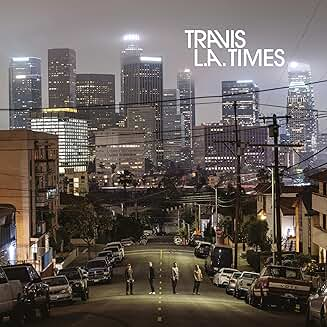
For their 10th studio album, Glaswegian mainstays Travis worked with producer Tony Hoffer whose impressive resume includes Beck, Metric, and Belle & Sebastian. Bringing in famous friends, “Raze the Bar” is a catchy midtempo track with a poptastic chorus that features mates Chris Martin and Brandon Flowers. “Home” is a good modern indie rocker that gives the kids a run for their money while “Gaslight” adds some horns on a track that could have been on their mid 90s debut.
The title track sees singer and main songwriter Fran Healy deliver biting criticism of society with a talk/rap style of vocal. Best is second single “Bus” that has a 60s vibe shot through present day Glasgow, a bit melancholy and utterly brilliant. Even with Healy living in sunny L.A., the band still retains their damp Scottish attitude with blasts of sunlight streaming through.
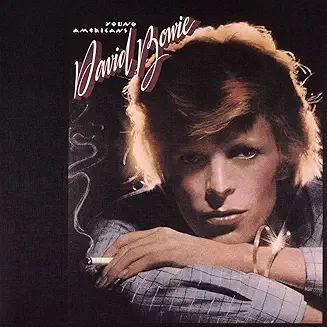
For several years in the early 70s, David Bowie was putting out British glam rock. He took a sudden artistic turn in 1975 with the release of the soul/funk of Young Americans. Working with guitarist Carlos Alomar for the first time + saxophonist David Sanborn, backup singers Luther Vandross and Ava Cherry – Bowie teamed up with producer Tony Visconti and Harry Maslin to record in the US for the first time.
With the aforementioned talent behind him, the musicianship on the album is top notch. The title track immediately has a loose vibe and a killer chorus by the R+B back up singers. The new Philadelphia sound brims with energy on the plastic soul hit. “Win” is a late-night soul atmospheric jam before the gritty funk of “Fascination” that was based on a Vandross track. Two of the final tracks include UK mate John Lennon. The first on an impassioned though not entirely successful cover of The Beatles’ “Across the Universe”. The second is the blockbuster, “Fame”.
“Fame” was Bowie’s first number one single in the US. The funk groove lays a bed on which Bowie singles on the ills of being famous. It’s a classic track that helped usher in an era of rock stars incorporating US funk sounds (The Rolling Stones, Elton John, Rod Stewart, etc). Young Americans is an interesting diversion on Bowie’s albums. Not all of it works but his genuine interest to record this music results in a couple of classic Bowie tracks and a few other good ones.
After the sad passing of keyboard player Carey Lander in 2015, Glasgow’s Camera Obscura went on a hiatus. Songwriter Tracyanne Campbell released the excellent Tracyanne & Danny album in 2018. Her main band has now returned with Look to the East, Look to the West – their first album since Desire Lines over 10 years ago. The new album sees the classic songwriting the band is known for. They ease into the new album with the quiet sounds of “Liberty Print” before the dream beat kicks it up as Tracyanne sings, “I thought about the time he called me up/And asked if I loved him, I wanted to hang up”.
Album highlight “Big Love” pushes the guitar to the fore on a country song that incorporates a steel guitar. New member Donna Maciocia gets a co-writing credit on the feisty anthem “We’re Going to Make It In A Man’s World” where they tell the manager to “take your report, shove it right down your throat”. The album closes with several sweet tunes including “Pop Goes Pop” and the title track.
The album runs the gamut of indie pop, country, and 50s sounds. A few of the tracks don’t quite hit the mark but then songs like “Sugar Almond” sees Tracyanne sing about missing Lander with just a piano accompaniment that tugs at the heartstrings. It’s a welcome return from a fine Scottish indie pop band.
For their eighth studio album Lola Versus Powerman and The Moneygoround Part One, The Kinks led by Ray Davies released a loose concept album based on the music industry. From dreaming of being rock stars on the country sounds of “The Contenders” (before the guitar and piano get cranked up) right to the Southern Rock vibe of “Got To Be Free” when our man says goodbye to show business. In between is an eclectic group of songs including the old ragtime feel of “Denmark Street” and the jauntiness of “The Moneygoround”.
It’s the band’s first album of the 70s and a few of the songs crank up the power rock guitar that would be heard throughout that decade. Dave Davies’ dirty guitar riff powers “Rats” and the expert bass work of John Dalton underlays the driving sound of “Powerman”. “Apeman” rings just as true now as it did back then with its themes of over population, inflation, and crazy politicians. The catchy song went top 5 in the UK. Both Ray and Dave Davies have standout tracks on the album. “Strangers” is a midtempo track from Dave about a close friend that died from a drug overdose. The heartfelt song contains the tearjerker line, “strangers on this road we are on/we are not two, we are one”.
One of the best rock songs of the 70s also appears in the gender bending hit, “Lola”. Another heartfelt song, this time about meeting a transvestite (transgender?) in a bar and dancing all night with the lady but knowing something is different. “Well I’m not dumb but I can’t understand/Why she walks like a woman and talks like a man” as the guy tries to figure things out. The single propelled the band back into the charts. While overall the general conceit of the album being the troubles of being a rock star can be hard to relate to at times, there are several truly great songs here that it is hard to resist.
In 2020 the deluxe edition added alternate and remix versions of most of the songs found on the original album. The mono single of “Lola” switches the drink of choice to “cherry cola” while later a live version with a choir and orchestra strip the song of all it’s charm. One of the four version of “Apeman” to appear is an alternate stereo version that sounds like the band jamming to great effect. At the end of the disc, two songs from Ray Davies appearing on TV are added in “Marathon” and “Got to Be Free”. These have a distant, dreamy sound and standout among some of the hard rock tracks.
Lola Versus Powerman and The Moneygoround, Part One – 9/10
The voice is unmistakable from the one that is a key component of her band, Portishead. Lives Outgrown is singer Beth Gibbons’ first solo album. It has a woodsy vibe with an atmosphere of ghosts swirling around a campfire. “Tell Me Who You Are Today” has a bit of nice guitar but then a foreboding tension fills the air. “Burden of Life” has drums sounding like they are coming from deep in the forest. Later, those same drums are more propulsive on “Reaching Out”.
“Floating On A Moment” is perfectly named as it does make it feel like you are floating in a river, heads up. The sound of birds chirping close out “Whispering Love” and the album. Lives Outgrown has gained much critical acclaim for it’s mournful folk sound and songs that speak about growing old and mortality. It may not register for all but for many, it will one of the better albums of the year.