 Almost exactly a year after the David Bowie (Space Oddity) album, David Bowie’s The Man Who Sold the World appeared in November of 1970. Whereas the year before, Bowie was on a more dreamy hippie trip, this new release had a distinctly harder edge with many tracks sounding like the advent of heavy metal. Tony Visconti was back to produce and this time had plenty of input from guitarist Mick Ronson.
First track, “The Width of a Circle” sets the tone early with a heavy Ronson guitar lick along with the dexterous drumming of Mick Woodmansey. Double tracked vocals on the vocals are effective on “All the Madmen” about Bowie’s half brother Terry who at that time had been hospitalized for mental illness. “After All” features a melancholy circus organ that sounds like a waltz for the dead.
No singles were released from the album and most fans under the age of 50 would know the title track better from Nirvana’s version that appeared on 1994’s MTV Unplugged in New York. The famous guitar riff leads into Bowie’s treated vocals and a moog synthesizer adds an ethereal quality to the whole affair. Using a Jimmy Page guitar line given years before, “The Superman” closes out the album.
This is certainly a departure from the previous year as much of The Man Who Sold the World sounds like a hard rock band that Bowie was fronting. Besides the Nirvana cover, the most famous item is the photo of Bowie posing in a dress that was eventually adopted as the final album cover. Still, there is a way forward here where glam gets introduced to the sound and Ziggy Stardust is eventually born.
6.5/10
 In 2011 LCD Soundsystem announced that their last show would be at Madison Square Garden set for that Spring. But a few years later, flickers of lights started to come back on and in 2016 James Murphy reunited the band to headline Coachella. A new album was also announced for that year but it would take until September of 2017 before that saw the light of day.
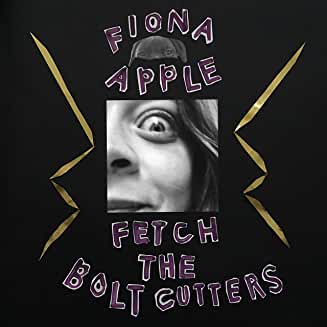 With many people locked up at home, staying safe during the pandemic, Fiona Apple released Fetch the Bolt Cutters, first album in 8 years. Immediately one’s attention is drawn to the percussive nature of the release especially on a track like “Relay” that brings an equal amount of soul to the vocals. “Drumset” sees Apple pleading with bandmates about why they took their instruments away after an argument, amusingly it was only to go to a gig.
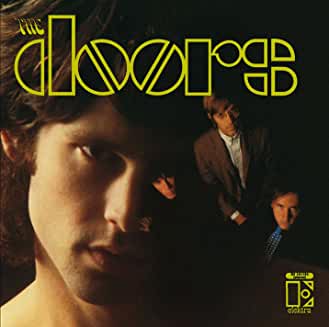 I still remember the first time I ever heard The Doors. It was around 1983 when I was about 8-9 years old. I was sitting in the car waiting for my mom and listening to the radio when they played “Light My Fire”. Even at that age I was blown away. Arguably their most popular song and one of the best singles of the 1960s, the Robby Krieger composition is memorable for the first drum kick before the organ line leads into the shamanistic lyrics of Jim Morrison. After the song ended, the DJ then said some nonsense about how some people thought Jim Morrison was still alive. I thought that it sounded ridiculous at the time but I still remember it to this day.
