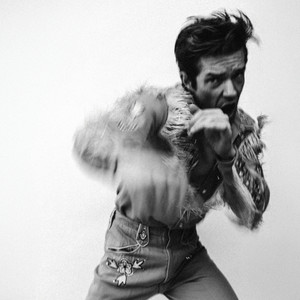
The cover of Brandon Flowers third solo albums shows a picture of him throwing hands at the camera. The sound has The Killers frontman throwing everything at the listener including piano, organ, pedal steel guitar and Margo Price on back vocals. The country album is more lush 70s than current hot rural sounds. Lead track, “Does It Ever Cross Your Mind” is a zippy take on the sound, “One Of Us” has a similar sound on a tribute song to his brother in law that passed way too soon.
On various songs, the vocals remind the listener of Bruce Springsteen or Jason Isbell or John Mellencamp. Small town USA is the focus on “Tiger’s Blood” that turns in a killer chorus. “Miss America” is written through the eyes of a woman. The album is a bit front loaded and there is a whiff of pastiche (see: single “Paradise”) rather than a true authentic country voice. Still, Flowers has a way with hooks that even the just OK tracks, still sound fine in the background.
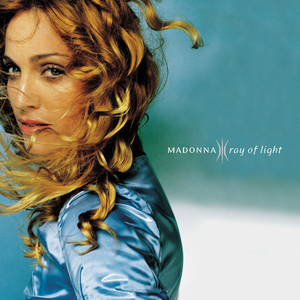
After releasing two patchy albums in the early 90s, Madonna returned in 1998 with global smash Ray Of Light. The album has sold more than Erotica and Bedtime Stories combined. Madonna had entered a new phase in her life having given birth to her daughter Lourdes the year before while she was exploring several philosophies including Kabbalah, Hinduism and Buddhism. Patrick Leonard was a key contributor to the album, co-writing and co-producing several songs. But it was her work with British electronic producer William Orbit that really directed the album’s sound.
“I traded fame for love/Without a second thought” is the first lyric that opens the album on “Drowned World/Substitute For Love”, the ambient track with deep bass. This is followed by “Swim”, with a a trip hop sound and a flood of synths as Madonna sings “I’m gonna swim to the ocean floor”. “Skin” throbs with sparkling sounds surrounding the track, the squiggly beats of “Sky Fits Heaven” has a more traditional pop feel. Madonna then sings in Sanskrit over skittering beats on “Shanti/Ashtangi”, a sound that predates what MIA would later do at the turn of the century.
After several album tracks, two of the album’s singles create an emotional climax to the album. Co-written with Leonard, “Frozen” addresses an emotionally closed off partner over a swell of synths and strings. Following that up, “The Power Of Good-Bye” co-written with Rick Nowels creates the world of then moving on. While they tread similar territory, by no means is this redundant. Both tracks ache with emotion, an emotion that was felt around the world as both songs climbed into the top 10 in several countries, “Frozen” being the bigger of the two.
The enduring spotlight of the album remains the title track, “Ray Of Light”. Introducing the word “zephyr” into the minds of fans around the world, the effervescent pop song shared a memorable video, was a club hit and has been a radio staple for nearly 30 years. The album itself is one of Madonna’s very best, one where she sings with maturity, power, and spirituality while engulfed in a warm of ocean of synths and strings that create a more cohesive whole than more recent efforts. Sadly, the world lost William Orbit earlier this year but his sound will live on through this classic album and his other terrific music.
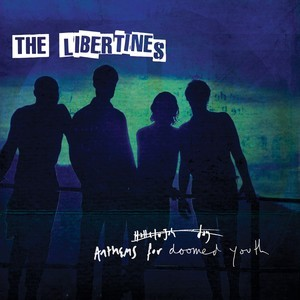
After releasing two classic albums in the early 2000s, The Libertines went on a hiatus for 10 years due many troubles, most notably Pete Doherty’s drug issues. For a time, they were front page news on UK music magazines for both good and bad reasons. In 2015 the reformed band teamed up with One Direction/Ed Sheeran producer Jake Gosling for the album Anthems For Doomed Youth. The album swings immediately with Pete and Carl Barat trading off verses with a knees up chorus on “Barbarians”. “Fame and Fortune” is a call to arms – “Like tin soldiers responding to the call/To Camden we will crawl”.
With a punk reggae sound, “Gunga Din” was the first single and the only song still in the band’s current set list, like several songs on the album, has a great singalong chorus. Quieter sides show on the piano driven “You’re My Waterloo” and set closer “Dead For Love”. The album is more front loaded with most of the better tracks showing up right away with the back end being good rather than great. The Libertine’s distinctive guitar sound and clever way with words show through on a solid return. This deluxe edition adds four extra tracks including rerecorded older demos.
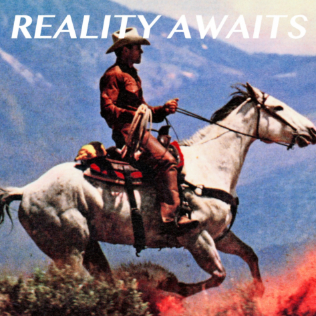
The Strokes returned in 2026 in a big way – headlining several festivals including Coachella, world tour with sellouts across the UK and Europe, and a new album to boot. Once again working with Rick Rubin, Reality Awaits is their first release in six years. First single “Going Shopping” is immediately catchy, warm guitar tones throughout, similar to second single “Falling Out of Love”. Similar to all the songs.
Knives come out several times on the disc including the powers that be that keep sending others out to do their deadly bidding on “Psycho Shit”. But also bizarrely about YouTube music critic Anthony Fantano who gets name checked on “Lonely In The Future”, telling the listener that Fantano doesn’t understand art. The autotuned vocals of Julian Casablancas and the smooth guitar, jagged edges be damned make for a decent listen that on song after song after song, floats by.
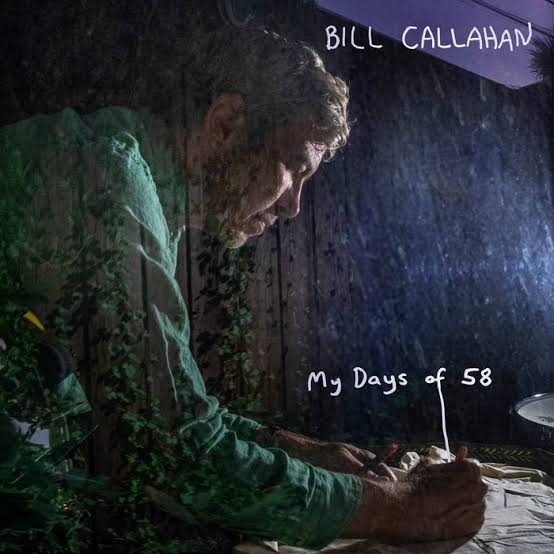
Bill Callahan has been releasing music since the early 90s, starting as Smog before switching to his own name 20 years ago. Days of 58, looks at life from the perspective of almost five decades of experience. Callahan wonders why artists his age continue sing and tour on the opening track, “Why Do Men Sing”, the song being more of an upper than a downer. Later on “Highway Born”, he checks in on what’s happening on the country and declares that he “loves the highway”, horns supporting his tune.
As with many men in his 50s/60s, taking stock is common and this is expressed when he sings, “I don’t wanna be the man I am anymore”. Trying to get better in the face of death and aging. The repeated lyrics of “Lonely City” becomes a memorable mantra. The heart of the record is “Empathy”. A talk with his dad delivers the devastating line, “you said you got by without a father, so you figured why should I have one?” The same track sees Callahan look at his relationship with his own kids, the good and the bad. Days of 58 is full of heart and feelings, the ups and downs of aging, looking back on life. Most men this age can surely relate.