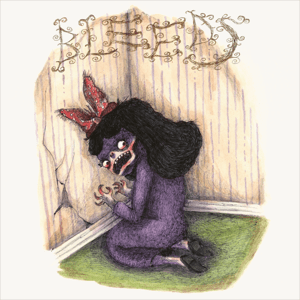
In 1981, Siouxsie and the Banshees reconvened to once again work with producer Nigel Gray on what became the band’s fourth album, Juju. The band further developed their mix of post punk, art rock, industrial, and goth into and intriguing mix of songs. “Spellbound” got a new lease on life in 2022 when it was used on the TV show, Stranger Things. The top 20 single sees intricate guitar playing and influential guitar tone from John McGeoch. Drummer Budgie powers the song underneath and replicates the sound of falling down the stairs one of the band’s finest songs.
Second single “Arabian Knights” sees the band continuing to fire on all cylinders. Scathing lyrics from Siouxsie about middle eastern culture and it’s treatment of women, once again powered by Budgie and a bass swing from Steven Severin. “Into The Light” is gloomier yet also contains arguably Siouxsie’s best vocal performance on the album while “Monitor” sees guitar bristle, introducing a bit of an industrial element to the sound.
On side two, “Sin In My Heart” starts as a bit of a dirge before picking up steam before the first verse starts, drums pounding, the track then sees the band in full rock flight. Most tracks on the album have a darkness to them, whether the song is about stepping into death’s light or on “Night Shift” about the Yorkshire Ripper serial killer, yet it never turns into a slog. Juju has been hailed as a classic in some circles and highly influential on future alternative rock bands, many specifically citing the guitar work of John McGeoch. Another must hear album from this inventive band.
It’s been 24 years since the last Pulp album, the very good We Love Life from 2001. In between there have been scattered concerts, festival gigs, singer Jarvis Cocker’s solo albums, Russell Senior leaving, and unfortunately the passing of bass player Steve Mackey. Getting the rest of the band back together, Pulp enlisted mega producer James Ford to help in the recording.
First single and track, “Spike Island” explodes out of the speakers where Jarvis sings, “I was born to perform… I exist to do this” – and the listener believes him. “Tina” is a quintessential Pulp song about crushing on a girl but always just missing her, perfect indie pop in the chorus. From there the album goes a bit disco in spots with the house like anthem “Got To Have Love” and the throbbing bass of “Slow Jam”.
The band also includes several slower, midtempo tracks like “Background Noise” that sounds like a holdover from 20 years ago plus the saluting of their Northern home of Sheffield (“The Hymn of the North”) and an ode to the beauty of the sunset (“A Sunset”). It’s a good album that adds in the dance elements from some of Jarvis’ solo work but also sticks to what they do best. Sophisticated pop music that touches on the dark corners in life. That used to be at the club then the bedroom afterwards but now it’s at the “Farmers Market” remembering those younger times instead.
For rock music, 2025 is the summer of Oasis with Noel and Liam Gallagher returning for reunion shows that are sold out across the world. Early in the week they announced a 30th anniversary edition for their sophomore album, (What’s the Story) Morning Glory? With just a few unplugged versions of songs included, the lackluster offering will still be purchased by diehard fans of the band. Back in 2014, the band released a jam packed three-disc version of the album that is filled with B-sides, live versions, and rarities.
The first single released from the album in April 1995, “Some Might Say” was their first to reach to the top of the UK charts and last to have original drummer Tony McCaroll before being replaced by Alan White. Britpop mixed with a glam rock stomp, it’s an instant singalong classic. Harder in sound is opening track, “Hello”. It’s no surprise that this was the first song the band played at their first reunion show in Cardiff on July 4th. At that show, it was followed a few songs later by the darker, “Morning Glory” and its line, “All your dreams are made/When you’re chained to the mirror and the razorblade”.
All classic songs but it’s the ballads from this era that carry the day, all three of which closed the first reunion concert. With first album Definitely Maybe being the fastest selling debut in the UK at that time, it was a cult classic for anglophiles in other parts of the world. It was the single “Wonderwall” that broke the band into the North American mainstream. The beginning acoustic guitar line has been copied on several other hits for other bands before Liam’s rough voice comes in to sing the sweetest love song, appealing to both the girls and bricklayers in equal measure.
In the past few years, the Noel sung “Don’t Look Back in Anger” has nearly eclipsed “Wonderwall” in popularity. It has become a soccer stadium knees up for the punters while also sung by those in mourning. It’s become a standard that people can turn to at various points in their lives. Nipping at the heals of those two songs is album closer, “Champagne Supervova”. The skyward looking song takes on a celestial vision of life, one that also contains the inspiring yet nonsensical lyric of “slowly walking down the hall/faster than a cannonball”. Caught between a ballad and anthemic rock song, the seven-minute epic is one of their finest.
Following the same template from the Definitely Maybe deluxe edition, disc two is mostly devoted to that era’s B-sides. It’s these songs that helped cement the band’s legacy, with several becoming live staples and just as popular as the A-sides. Sung as a duet, the amped up “Acquiesce” with its line, “Because we need each other/We believe in one another” has always sounded like Noel singing to Liam, though he would never admit it. Left off the album due to Stevie Wonder wanting a major cut of sales, the Noel sung “Step Out” is lifted by a terrific chorus.
Like the album itself, it’s the major ballads that rightly grab most of the attention, both sung by Noel. Dismissed at the time by Liam as sounding too American, “Talk Tonight” is an acoustic track that details the night that Noel disappeared from the band on a tour of the US before returning several days later. It was a feature of Noel’s live acoustic set on tours throughout the 90s. Hailed as a classic from the jump, “Masterplan” is another of what Noel does extremely well – a song stuck between ballad and anthem. The string laden verses is matched by a banger chorus.
The last bit of the second disc and third feature the rarities including the vinyl only “Bonehead’s Bank Holiday”. Originally it was to be sung by guitarist Bonehead until a night of drinking to steady his nerves thwarted those thoughts. Instead, Noel takes the lead on the frivolous sing along. Another rarity appears in the Noel sung version of The Beatles’ “You’ve Got To Hide Your Love Away”.
Further highlights include a demo version of “She’s Electric” where further comparisons to The Beatles are warranted and a fuzzy live version of single, “Roll With It”, famously held off of the #1 UK singles position by blur’s “Country House” released on the same day. The disc then closes with a spellbinding take on “Cast No Shadow” recorded at their famous 1996 Maine Road gig in Manchester and the Knebworth concert version of “Masterplan”.
Looking back, this was the apex of Oasis. The buildup from the debut to the group going supernova with (What’s the Story) Morning Glory?, all with the solid background of some of their most beloved B-sides that still form the basis of their live shows both as a band and as solo artists. More pop in nature, this is the sound of a band at the peak of their recording powers singing songs that have become rock and roll national anthems the world over.
Like his first post Beatles album, Ram credited to Paul and Linda McCartney, was not well received upon release. Retrospective reviews have been far kinder and in some quarters its considered something of a classic. John Lennon heard it differently, with a few of the songs credited as being digs at McCartney’s former bandmate including first track “Too Many People” and it’s line, “too many people preaching practices”. With an echoey beginning and strong melody line, it’s a great opener.
“Ram On” is the same verse over and over again sung over a ukelele, it later appears as a reprise. “Dear Boy” sees McCartney appreciating his love for Linda with sly digs at her ex on how he did not appreciate what he had, it’s also one of the most Beatles sounding tracks. Both “Heart Of The Country” and closer “The Back Seat Of My Car” are terrific, breezy bits of music with no shortage of melodies.
At nearly six minutes, “Long Haired Lady” sees Linda take co-lead on a track that gets better as it goes on, the line “love is long” is repeated many times over. The highlight of the album is McCartney’s first solo #1 single in the US, “Uncle Albert/Admiral Halsey”. Separate songs stitched together by engineer Eirik Wangberg, the clever technique recalls past Beatles glories like the second half song suite of Abbey Road. It starts off as a dreamy track before getting more jaunty in the second half, it’s a remarkable slice of 70s pop rock. The entire album has a loose feel to it that really works, one where everything feels just fine.
The Archive Collection reissue from 2012 adds a further 8 songs to the original album including excellent first single post Beatles, “Another Day”. Describing an ordinary day for the rest of us, it’s similar in style to some of his past songs and British singles from The Kinks and blur. Bluesy B-side “Oh Woman, Oh Why” has a terrific guitar riff before giving way to a few more tuneful shorter tracks and the harder rocking 8-minute “Rode All Night”.
For his second solo album, The National’s singer Matt Berninger worked with producer/co-writer Sean O’Brien. The album is a mixture of mostly midtempo, atmospheric tracks with a bit of an electronic touch, some that sound like an elder indie rock stateman, and others that lean more country. “Little By Little” adds a bit of acoustic guitar and a little twang to the proceedings. “Nowhere Special” moves toward indie rock statesman with it’s stream of conscious lyrics.
Over guitars, “Bonnet of Pins” explores the Berninger favourite topic of a girl drinking at a party who’s character is further explored on the very good “Silver Jeep”. Like “Frozen Oranges”, first song “Inland Ocean” mentions Indiana and wanting to get away from everything. “I flew to Indiana to see a friend… wrap me up in your summer sheets”. On Get Sunk, Berninger is able to explore more lowkey songs whose sound don’t have to fill hockey arenas on a nightly basis.