The Stranger written by Albert Camus was first published in 1942 during the Nazi occupation of France. The book is written in the first person of Meursault and is broken into two parts. At the start of the book, Meursault attends his Mother’s funeral in the country. He shows little emotion during the small, sparsely attended ceremony before returning to his home in Algiers. Several days later while at the beach with friends, he kills an Arab stranger for no apparent reason.
The second half of the book then deals with the trial as everyone tries to figure out what made him do it. Meursault wonders why everyone keeps trying to attach meaning to the events that lead up to the murder. The book is highly celebrated as being one of the best novels ever written. It’s a simply written, straightforward story that is filled with far deeper meaning than what is written on the page. Far smarter people than me will say it’s a book on existentialism and absurdism. I just found it utterly fascinating.
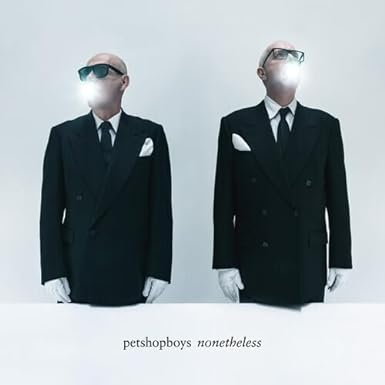
Even though they haven’t released a studio album since 2020, Pet Shop Boys never seem far away from the music pages. A tour with New Order, a Soft Cell collaboration, a Noel Gallagher remix, an EP, etc. Nonetheless started its campaign with the strings and classical swirl of first single “Loneliness” before it ends with a throbbing dancefloor ready beat. Neil Tennant sings that “you make me feel like nobody else can” on “Feel” over a bed of synths and a melody that sounds like a sped up ballad.
Working with superstar producer James Ford, this was the highest charting UK album for the duo since the mid 90s. Many of the tracks look inward including “Why Am I Dancing” that has ecstatic horns to start as an old raver wonders why they are dancing/celebrating while being alone. Tennant raps a verse on “New London Boy” that captures the joy and hardships of joining the gay scene in the big smoke in the 70s.
Nonetheless is a well produced album that sees Tennant and partner Chris Lowe expertly record their sound in 2024. As the album goes on, a few of the songs are just OK. “A New Bohemia” is a sweeping ballad and “The Schlager Hit Parade” adds a strummed acoustic guitar and a chorus that is the most immediate on the album. It’s not revelatory but instead works as a solid outing for this electronic royalty.
The deluxe version adds 4 redone classic tracks for about an extra $10. For the most part, the reworkings take out the personality and punch that made the originals classics to begin with. The hard beat of “Heart” is washed out and the story behind “Being Boring” disappears. Best of the bunch is “It’s a Sin” that for better or worse updates the sound to a more modern approach.
While other David Bowie’s live albums may have been recorded earlier, David Live was the first one released. The disc was recorded during 1974’s Diamond Dogs tour at a stop in Pennsylvania. Having left behind the Ziggy Stardust personae the year before, Bowie adds horns to the mix including the work of David Sanborn (RIP) and piano player Mike Garson that play a heavy role in the songs performed for the album. This adds a bit of a jazzy flavour to tracks like “Changes” and “Aladdin Sane”.
The band really let loose on “Moonage Dream” including a sizzling guitar solo from Earl Slick and Tony Norman going for it on the drums. The background vocals on the Eddie Floyd cover “Knock on Wood” truly make it sound like an arena rock show from the 70s. At times, Bowie’s voice strains a bit to get into range but the enthusiasm of tracks like Diamond Dogs’ single “Rebel Rebel” and “Cracked Actor” plus the impassioned performance of “Rock n Roll Suicide” make it easier to overlook.
Several singles up to that point are left off the performance such as “Space Oddity”, “Starman” and “Live on Mars”. In truth, he had so many songs to choose from even at this point that they are not hugely missed. In all, David Live captures Bowie between Ziggy and the Young Americans phase that was just a year away.
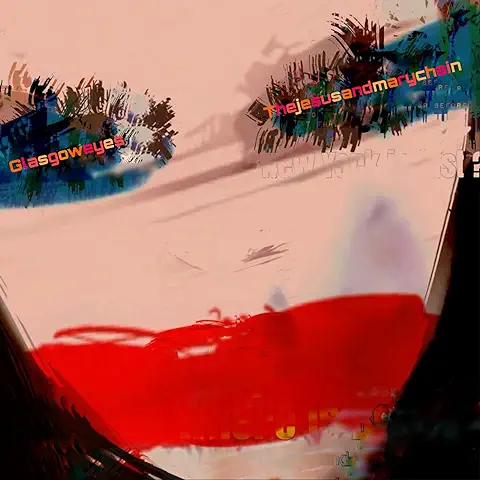
Brothers William and Jim Reid return with their second album since reforming as The Jesus and Mary Chain in 2007. The brothers go back to their roots with most of the album recorded at Mogwai’s studio in Glasgow. The album is a mixture of guitars and electronics that add tension and groove in equal measure. First track “Venal Joy” comes in with much distortion and dissonance to start but is let down with the lyrics, “I’m on fire/piss on fire/don’t piss on fire”.
Glasgow Eyes is often dominated by the darker synths that underpins several songs. “Discotheque” takes the listener into the darkest corners of the club and “Silver Strings” is more downtempo with lower growl vocal register of William, it’s just a cool sounding song. This is the sound that carries much of the album through the middle section of the nearly 50 minute album.
To contrast, first single “Jamcod” sounds like the band’s classic sound with synths lying below the surface as Jim sings about the band’s original breakup on stage in the late 90s – “J-A-M-C-O-D”. “The Eagles and The Beatles” is a catchy track on the bands they grew up listening to – “I’ve been rolling with the Stones/Mick and Keith and Brian Jones”. “Second of June” immediately has a brighter guitar sound that harkens back to the Stone & Dethroned album era of the mid 90s. The simple name check of their own band adds some swagger into the mix on an album that sees the Reid’s continue their leather jacket, sunglasses and floppy hair explorations into their 60s.
It was exactly 45 years ago that The Cure released their UK debut album, Three Imaginary Boys. The three school friends, led by singer Robert Smith, created an album of raw post punk that can be both gloomy and energetic. The first three tracks are all fine examples of this. “10:15 Saturday Night” starts with a distant guitar and tapping of drums that mimics the tapping of water from a leaky faucet. The song written when Smith was just 16 creates the image of sitting in a lonely bedsit and waiting for someone to call. The lowkey riffing of “Accuracy” is still tuneful before the upbeat and bouncy “Grinding Halt”.
“Subway Song” is an eerie slice of life with a great bassline from original bassist Stephen Dempsey and a harmonica that mimics a train. It lasts for just one verse then ends with a blood curdling scream. “So What” takes the absurd lyrics of describing a cake decorating set and sets it to a punk blast. “Fire In Cairo” is a standout with a deep groove held down by the rhythm section including drummer Lol Tulhurst and Smith’s poetic lyrics, this one seems like there was more thought taken into the recording. The title track adds reverb and produces a haunting atmosphere while Smith sings “close my eyes and hold so tightly/scared of what the morning brings”. An almost heavy metal sounding lyric.
These songs stand in contrast to filler songs that also appear including the atrocious cover of Jimi Hendrix’s “Foxy Lady” and the in joke “Meat Hook”. It would be reported later that the band had little say in what ended up on the album. North America and Australia were better served by the compilation Boys Don’t Cry that keeps the good tracks from the UK debut and adds the stellar single “Boys Don’t Cry”, the controversial (and misunderstood) first single “Killing An Arab” plus the energetic song about chasing fads “Jumping Someone Else’s Train”.
In 2004 the band released the deluxe version of Three Imaginary Boys that adds demos, outtakes and a few live tracks all of which appear in varying sound quality. Crucially it adds two of the three singles released around that time including the aforementioned “Boys Don’t Cry” that is considered one of The Cure’s finest songs. “10:15 Saturday Night” appears in a home demo recording that uses a Casio keyboard and electronic beat for backing music on a version that greatly amps up the despair and isolation. “Fire In Cairo” appears in demo form with Smith making the song sound sexy before a couple of decent outtakes appear including “Winter” and the Undertones soundalike “Play With Me”.