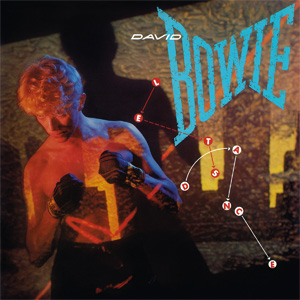
On the Let’s Dance album, released in 1983, David Bowie stepped into pop superstardom with an album to match. Working with Chic’s Nile Rodgers, Bowie specifically wanted hits for the new MTV world. And hits he got on his best-selling album. The singles are all collected at the beginning, starting with “Modern Love” that has a bit of a 50s feel with a horn section and a call and response chorus.
Reigniting a track Bowie originally wrote with Iggy Pop for Pop’s 1977 album, The Idiot, “China Girl” became the second smash hit from the record. The Asian influenced guitar brings a new hook to the song and the “oh-oh-oh-oh” outro is just as catchy. Released as the first single, the title track is a towering dance hit. Another song that brings in a 50s flavour that melts in perfectly with the disco funk. The album version clocks in at nearly eight minutes and feels like a remix, bringing in different sounds. The track is tailor made for clubs with coloured lights, tiled floors and glass tables but still feels vital 40 years later.
Like some other big 80s pop albums, the rest of the album is over shadowed by the massive singles but still turns in a few really good tracks. Bernard Edwards lays down a slinky bass groove on “Without You” while guitarist Stevie Ray Vaughan turns in a standout guitar solo on the bouncy “Criminal World”. Many fans would miss the experimental 70s Bowie who pushed boundaries versus this mainstream version who seems to be following trends, rather than creating them. But, the album did what Bowie wanted, brought him all the hits and introduced him to a new generation of music fans.
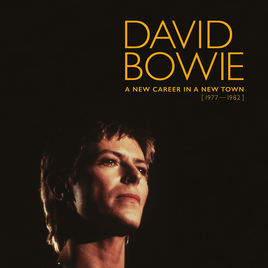
Re:Call 3 appears in the David Bowie box set A New Career In A New Town (1977-1982) released in 2017. Like it’s Re:Call predecessors, it mops up various single versions, EP tracks and rarities. This period covers some of Bowie’s greatest works which means this collection is a treasure trove of some of his greatest hits starting with one of his best singles, “Heroes” and followed by an extended version of “Beauty And The Beast”. Not to be outdone, singles from Scary Monsters (And Super Creeps) appear including the single version of “Ashes To Ashes” and the title track.
“Space Oddity” appears in a 1979 version, not as spacey as the original, it is far more raw. A great addition to the set is the “Under Pressure” single recorded with Queen that came about when Bowie stopped by the studio one day. This is then followed by tracks from Baal’s EP released in 1980, based on songs from playwright Bertolt Brecht. The five theatrical songs do not fit with the other tracks found on this compilation and would have been better on its own disc. That quibble aside, Re:Call 3 contains some of Bowie’s most legendary 70s moments.
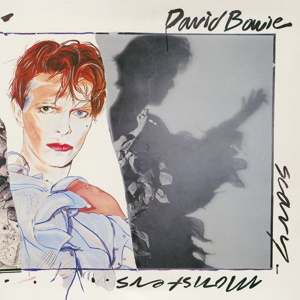
After the experimental Berlin albums, David Bowie welcomed in the 1980s with Scary Monsters (and Super Creeps). Continuing to work with Tony Visconti, the album is bookended with “It’s No Game (No.1)” and “(No. 2)”. The first is more dissonant, partly sung in Japanese by Michi Hirota, it recalls John Lennon/Yoko Ono collaborations. “Draw the blinds on yesterday/And it’s all so much scarier”. The second is calmer, less intense, choosing bass over guitar and where there are “no more free steps to heaven”. Reportedly, Bowie spent more time on his lyrics than the previous albums.
“Up The Hill Backwards” features group vocals, including Visconti. Carlos Alomar is still lead guitarist along with Robert Fripp who joins for a few tracks including the “Heroes” sound alike, “Teenage Wildlife” that takes swipes at Gary Numan and the new wave boys trying to follow in his Bowie’s footsteps. Dennis Davis’ drums drive the title track, Bowie’s vocals get pushed into distortion on the chorus.
Two singles dominate the album. The first being the politically charged but dancefloor ready, “Fashion”. Mention of the goon squad and a plea to “listen to me – don’t listen to me”. #1 UK single “Ashes to Ashes” is the centrepiece of the album. Revisiting Major Tom from “Space Oddity”, we find out that “Ashes to ash and funk to funky/We know Major Tom’s a junkie” as Bowie deadpan sings, “I’m happy, hope you’re happy too”. The extraordinary track cuts through post punk, funk, rock and disco. The album as a whole brings Bowie once again front and centre of the cutting edge of music, ready for the new decade.
The Beatles’ Anthology 4 has not been met with the same rapturous praise that their recent expanded albums have received. Nonetheless, there are some delights to be found on the newest anthology addition that stretches from the band’s earliest recording days right up to 2022. A few highlights include “I’ve Just Seen A Face (Take 3)”, “All You Need Is Love (Rehearsal For BBC Broadcast)”, and “Baby, You’re a Rich Man (Takes 11 & 12)”. Perhaps a bit inessential for some but it would take more than two hands to count highlights from the 2 disc set.
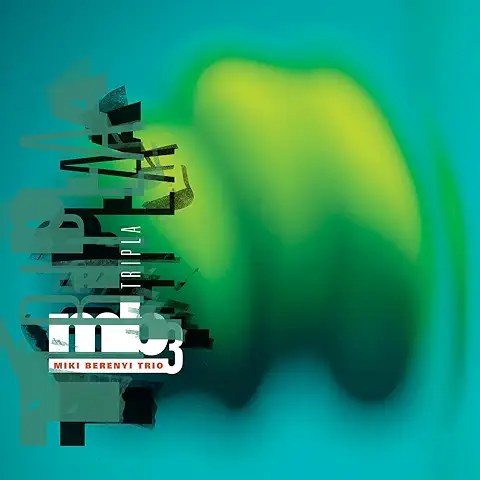
The two main songwriters from British Britpop/Shoegazers Lush have released very good albums in the past few years. Emma Anderson’s Pearlies + the Piroshka albums that Miki Berenyi has released. Early in 2025, Miki released Tripla under the Miki Berenyi Trio moniker. Excellent songs include “8th Deadly Sins” and the dreamy “Ubique”. These next generation of releases by the Lush ladies have been a joy.
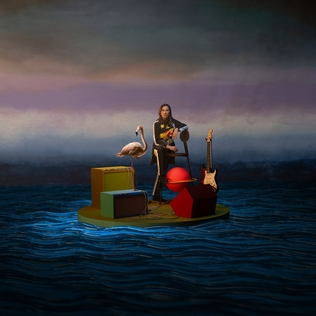
The much acclaimed Big Thief has been one that I’ve struggled to get into. I appreciate them more than really enjoyed their albums. That changed with last year’s solo album from singer Adrienne Lenker and continued with the band’s latest release, Double Infinity. Finally, their music clicked on an album that many others loved as well. All this time it’s been me with the issue, not you.
While others have long since listened, I’m still working my way through the David Bowie box sets that have been released over the years. The boxes that collect all the official releases and group by certain eras has been a bit of a mixed bag at times but finally reaching his Berlin Years on the brilliant A New Career in a New Town (1977-1982) released in 2017 was a glorious listen. It’s been one where each new album listen made me excited for the next to hear the next one. A highwater mark in the legend’s career, this will be a set returned to again and again.
I ordered Kim Deal’s 2024 album from a local record store with normally fast shipping times but this one seemed to take ages, to the point of thinking I already had it in the collection when the call came that it had arrived. It took a minute to finally have in my hands but the impression of the album was immediate, Nobody Loves You More could have been released some time in the 90s and would not sound out of place with the great records from that period. Several decades later, Deal sounds as relevant as ever as she sings, “coming around is easy/coming down is rough”.
The world has genuinely been a scary place at times this year. War, bombs, rampant racism/antisemitism, random violence, drug abuse, homelessness, etc. I don’t make it out to as many local band shows as I used to but did attend the Death Cassette show at Winnipeg’s fantastic Blue Note Park venue. The punk rock energy was a cathartic release from all of the world’s turmoil. The beers were cold and the energy was electric. Punk rock lives, the kids are alright.
When walking through the hallways of high school in the late 80s/early 90s, sounds from the golden age of hip hop was regularly being blasted. Some albums I was fully onboard with and others passed me by. One of those albums that got away from me was the classic 3 Feet High and Rising from Long Island, New York’s De La Soul. Famously the disc has not been re-released in years due to original record label Tommy Boy not bothering to get clearances for the sample heavy tracks. That changed in 2023 when it finally saw the light of day again, in slightly altered form. Well worth the wait to finally hear daisy chain era tracks like “The Magic Number” and top 40 hit “Me Myself and I”, among the many.
I heard about the new Geese album when it released and knew it was getting some great reviews. I made the mistake of listening to the Sound Opinion podcast guys who completely trashed the experimental album. So it sat in my playlist for ages before finally getting back around to it months later. The podcast guys got it all wrong – Getting Killed was a helluva album that was chaotic at times but also had the melodies and tunes to back it up. My pick as album of the year – this one is a classic.
The last I had heard about Jason Isbell and Amanda Shires was from the excellent 2023 documentary Running With Our Eyes Closed. I hadn’t heard about their relationship since then and was sad to hear that they have gone their separate ways. Isbell’s newest album, Foxes in the Snow talks a lot about old and new relationships. Working with engineer/producer Gena Johnson, he put out the album that is heavy on acoustic guitar and personal matters. When he played the Winnipeg Folk Festival in July of this year, the acoustic guitar was put to the side several times so he could riff heavily with his band The 400 Unit. One of the great concert moments of the year.
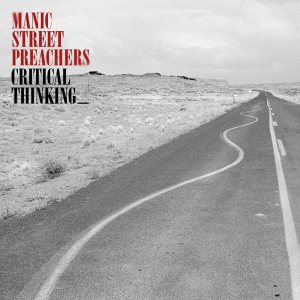
For those of us that hit the drinking age in the 90s, 2025 was a big year for nostalgia. Suede released a terrific album as did their former tour partners, Manic Streat Preachers. It was their album, Critical Thinking that caught my attention. Never short on ear catching songs, “People Ruin Paintings”, “Brushstrokes Of A Reunion”, and “Decline and Fall” all held up through the year.
The last in David Bowie’s Berlin Trilogy was 1979’s Lodger album. Here he continues to work with producer Tony Visconti and Brian Eno. Leaving behind the soundscapes of the previous two albums, Lodger is more accessible and listening back, fits in well with new wave and the Avant Garde rock coming out of New York around that time. Several of the tracks sing of travel and different parts of the world – Bowie is a traveller, a lodger of the world.
A softer sound, the smooth album opener “Fantastic Voyage” shares the same chord sequence of later track, “Boys Keep Swinging”. With a tongue in cheek, the latter celebrates the youthful exuberance of being male. As evidence of his influence, 20 years later blur would record the similar sounding single, “M.O.R”. “African Night Flight” is quirkier with a scat like vocal on a track written after Bowie visited Kenya, a few songs later “Yassassin” has a middle eastern feel, where the people “came from the farmlands/to live in the city”.
Leaving behind the esoteric sounds of previous records – several tracks are more rock. Drummer Dennis Davis shines on several of these tracks like the melodic “Move On” and the frantic sounds of “Look Back In Anger”. The bass of George Murray locks down the funky “D.J.” that also sees longtime right hand man Carlos Alomar gets a co-writing credit here. “Repetition” takes a different approach, deadpan vocals with sterile playing, Bowie sings about an abusive husband who feels he deserves better.
Following the experimental sounds of Low and “Heroes”, Lodger is often seen as the lesser of the three Berlin albums. The album reportedly received mixed reviews when initially released, going to #4 on the UK album charts but it lacks any true classic David Bowie track for casual fans. Later reviews have rightly placed Lodger in a more positive light. Filled with several solid rock tracks, it brings some funk and offers several truly great performances from his band. Bowie says goodbye to his incredibly successful run of 70s albums with this fine entry into his cannon.





 The Light Appears