In David Bowie’s boxset that was released in 2017, A New Career In A New Town 1977-1982, it includes an exclusive “Heroes” EP to the set. Made up of four tracks – It features the English/German version of the song “Heroes/”Helden” + the English/French version “Heroes”/”Heros” along with the single length versions in those two languages.
The language variations add a different flavour to the classic song. The German version sounds harsher, more angry whereas the French version sounds a bit more desperate. More of a curiosity, it is interesting to hear “Heroes” four different ways when the listener needs a kick of something different.
Just nine months after David Bowie released his groundbreaking Low album in January of 1977, he then released the second in the Berlin trilogy of albums, “Heroes”. Keeping the same personnel but adding Robert Fripp on guitar, Bowie continued to work with Brian Eno and producer Tony Visconti. The album follows a similar strategy to Low in that side one is composed of songs with vocals and side two is mostly instrumental.
The songs on side one veer from fairly regular structures to Avant Garde/experimental sounds, often within the same track. Second single “Beauty and the Beast” has dissonant sounds at times but that also obscures the funky dance beat underneath. Distorted, scratchy guitars appear on “Joe the Lion” on a track where Bowie switches to talk singing for parts of the track. “Blackout” could be about a New York blackout or about Bowie passing out in the studio but he also sings the romantic line, “kiss you in the rain” several times over.
Side two starts with “V-2 Schneider” named in tribute to Kraftwerk member Florian Schneider on the rather catchy track before the darker and foreboding sounds of “Sense of Doubt” appears. Two more instrumentals including the Japanese influenced “Moss Garden” appear before Bowie starts singing again on “The Secret Life of Arabia”, complete with handclaps in the desert.
The album is most notable for its legendary title track, the first single taken from the album that was not a hit upon release but has gone onto be one of the great anthems of all time. Originally said to be based on Bowie seeing a Berlin couple kiss by the Berlin Wall, another story is that Visconti was seen stealing a kiss from a back up singer while he was still married. The lyrics are stuff of legend – “I will be king… and you, you will be queen”, the dreamlike image of “I wish you could swim, like the dolphins, like dolphins can swim” and of course, “we can be heroes just for one day”. The album itself is challenging, filled with startling imagery including its iconic cover art, all which make it one of the most intriguing and celebrated albums of the 1970s.
The recording of Low was yet another transition in the extraordinary life of David Bowie. Moving to Paris with Iggy Pop to escape drug addiction, the pair began work Pop’s solo album, The Idiot. Once that wrapped up, Bowie started work on Low with Tony Visconti and ambient wizard, Brian Eno. First recording in Paris before moving to Germany, this was the start on what has become known as the Berlin trilogy.
Split between two sides, the first side features mostly quick snappy rock songs with an avant garde bent. “Speed of Life” is the instrumental opener, a solid 70s rock song with guitars and synths working away in the background. Both “Breaking Glass” and “What In The World” has some great guitar work from Carlos Alomar. “Sound and Vision” was one of only two singles from the album, reaching top 3 in the UK. With an appearance from Mary Hopkins, the song has a bit of funk, recalling several tracks on the “Young Americans” album. “Always Crashing In The Same Car” sounds like the negative answer to Kraftwerk’s “Autobahn”, one where Bowie never gets out of the driveway, going around in circles while constantly making the same mistakes.
In contrast to the song fragments on side one, the second side sees lengthier soundscapes. “Warszawa” is a moody, oppressive piece named after the Polish city. Bowie plays all the instruments on “Weeping Wall” who’s synths and xylophone stay somewhat hopeful, never quote going down the dark/horror path they could before “Subterraneans” closes out the album. Conceived during the time of The Man Who Fell to Earth movie, synths are used like orchestral strings to draw out the cinematic feel of the track.
Listening to Low almost 50 year later, the the genre expanding sounds by a major selling artist makes it a seminal piece. Its influence can be felt throughout the next several decades of music, notably on bands like Joy Division right through to Radiohead’s Kid A and many of the cold wave artists that have expanded on it’s icy synth sounds. Changing styles once again, on the album Low, Bowie moved his musical ambitions from the soul of America to the cold concrete of Europe.
5. Pink Floyd – Set Controls for the Heart of the Sun (Song): Early in 2024 I had a job that required me to regularly travel on wintry roads in rural Manitoba. One of the few highlights of those trips was listening to this Pink Floyd song from 1968’s A Saucerful of Secrets album. The spacey, atmospheric track is both eerie and calming at the same time. On my travels, blowing snow and passing cars would light up the starlit night while white knuckling it home.
4. Air – Moon Safari 25th Anniversary Edition (Album): Through it’s 25th anniversary release, it was a treat to get to go back and re-listen to Air’s 1998 debut album over and over and over again. While I travelled through Europe in 1999, the modern sounding retro album was still regularly being played in hostels and pubs across the continent. The singles “Kelly Watch The Stars” and “Sexy Boy” still make the skin tingle with their greatness. The 25th anniversary edition adds another disc of odds and sods to this essential 90s album.
3. David Bowie – Station to Station (Album): Working through the catalogue of David Bowie is a labour of love. His tenth studio album is one I had been looking forward to as it is critically acclaimed and favoured by a few knowledgeable friends. Incorporating some of the soul and funk sounds he had been exploring on past albums, this one adds a cocaine European sheen to it. The 10 minute title track takes up 25% of the album’s run time and keeps shifting it’s sound while “Golden Years” is one of his best songs. Another classic Bowie album just before the Berlin years start.
2. Bob Marley & The Wailers – Legend (Album): I’ve had this album for years and had never played it. The songs on this greatest hits set are ubiquitous – they will appear on the radio, TV, youtube, etc all throughout the year. To actually fully listen to these songs one after another is staggering. Each person will have their own favourites as each one is a classic. The work of a genius with his stellar band.
1. Bruce Springsteen and the E Street Band (Concert): Not the typical item we would write about in this yearly blog post but the Bruce Springsteen concert at the Canada Life Centre in Winnipeg on November 13 was extraordinary. One of my top bucket list performers to see, Bruce and the band did not disappoint. Barely stopping for breath between songs, they tore through 27 songs over approximately 3 hours. While I didn’t know many of the songs and there were a few tracks I would like to have heard, the performance was virtually flawless. Absolutely inspiring.
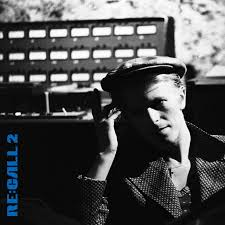
The second David Bowie boxset in his career spanning set released in 2016, Who Can I Be Now? (1974-1976) came with Re:Call 2, a disc that mops up single edits, B-sides, and other stray tracks. The glam rock/punk style on the classic “Rebel Rebel” appears twice in slightly different mixes. “Rock ‘n’ Roll with Me” slows things down in a bit on a live version before a great run of singles appears.
The title track to his 1975 album, Young Americans was a shift in style as he incorporated funk horns and mega talented background singers to elevate the single. John Lennon appears on Bowie’s first US #1 hit “Fame” before this soul period culminates with the staggering “Golden Years” where Bowie really makes his version of the Philadelphia sound his own thing.
Several songs from the Station to Station album appear including “Word On A Wing (Single Edit)”. Over those handful of years, Bowie had gone from character to character but on this he really bares out his soul on the moving track. This period that Re:Call 2 covers captures several classic Bowie singles. That this all happened in two years is quite remarkable, most other artists would be proud to call this a career summation.


 The Light Appears